Hardwood vs. LVP Flooring in North Texas: A Contractor's Honest Comparison
North Texas heat, clay soil, slab foundations, and humidity swings change the flooring decision significantly. Here's what we tell our Plano clients.
Why flooring decisions in North Texas are different
The flooring conversation in North Texas is materially different from the same conversation in the Pacific Northwest, the Midwest, or New England — and the difference matters. Plano, Frisco, McKinney, Allen, and the surrounding DFW communities sit in a climate zone characterized by hot, humid summers (regularly 85%+ relative humidity from June through September), cold and occasionally severe winters, and — most importantly for flooring — expansive clay soil that causes significant foundation movement in slab-on-grade homes.
This combination of factors — humidity fluctuation and foundation movement — creates real performance challenges for some flooring materials and genuine advantages for others. Contractors and flooring retailers who give you a clean 'hardwood is best' or 'LVP is best' answer without considering your specific home, its location, its foundation condition, and how you live in it are oversimplifying a meaningful decision.
At CMN Construction, we install flooring in Plano and throughout the DFW metroplex — hardwood, engineered hardwood, LVP, porcelain tile, and combinations of all four. This guide reflects what we actually tell our clients in Plano, Frisco, Allen, McKinney, Richardson, and the surrounding area when they ask us to help them decide. Also worth reading: our bathroom remodel checklist covers how to choose the right tile and wet-area flooring.
Solid hardwood: beautiful, but demanding in the DFW climate
Solid 3/4" hardwood flooring is the premium benchmark that other flooring categories are compared against. It's real wood through its full thickness, which means it can be sanded and refinished multiple times over its lifetime — potentially lasting 50–100 years in a well-maintained home. In real estate, solid hardwood commands a price premium and is genuinely valued by buyers.
The challenge in Plano and the DFW area is that solid hardwood is hygroscopic — it expands and contracts with changes in ambient humidity. In a climate where indoor relative humidity can swing from 30% in a cold, dry January to 65%+ in an August that overwhelms HVAC capacity, solid hardwood floors move significantly. Gaps develop in winter; cupping can occur in summer if the HVAC doesn't maintain consistent humidity control.
The second challenge is specific to North Texas housing stock: most Plano homes are slab-on-grade. Solid hardwood is not recommended for installation directly over concrete slabs because moisture vapor transmission from the slab can cause the wood to cup, crown, or buckle over time. It can be installed in above-grade areas (second floors, rooms over crawl spaces), but over a concrete slab, the risk profile is higher than many homeowners realize.
Our honest guidance: if you want the genuine look and long-term value of hardwood over a slab, consider engineered hardwood rather than solid. If you have an above-grade application with good HVAC humidity control, solid hardwood remains a beautiful and defensible choice.
Engineered hardwood: the practical answer for most DFW homes
Engineered hardwood is real wood — a genuine hardwood veneer over a stable plywood core — and in most DFW applications it outperforms solid hardwood on the dimensions that matter most for long-term performance. The cross-ply construction dramatically reduces the movement response to humidity changes, and most engineered products are approved for installation over concrete with appropriate moisture barrier systems.
For Plano-area homeowners who want hardwood floors in a slab-on-grade home, engineered hardwood installed with full-spread adhesive over a moisture-tested concrete slab is the approach we recommend most often. It delivers genuine wood grain character, can be refinished (depending on veneer thickness — typically once or twice), and has a resale value profile similar to solid hardwood in the DFW market.
Price range for quality engineered hardwood in the DFW market: $7–$15 per square foot for materials, plus $3–$6 per square foot for installation including adhesive and substrate prep. For a 1,200 square foot main floor, that's a total installed investment of roughly $12,000–$25,000 depending on material selection and prep requirements.
Brands we regularly install and trust: Shaw Floorté (engineered), Mirage Hardwood, Provenza, and DuraSeal site-finished engineered planks. Each has specific installation requirements — always follow the manufacturer's specifications for acclimation, moisture testing, and adhesive selection in the DFW climate.
Luxury vinyl plank (LVP): where it wins and where it doesn't
Luxury vinyl plank has transformed the flooring industry over the past decade. Modern LVP products — specifically those in the 8mm+ thickness range with rigid SPC (stone polymer composite) cores — are waterproof, dimensionally stable, highly scratch-resistant, and visually convincing enough that most visitors cannot distinguish them from real hardwood at a normal viewing distance.
For North Texas families, LVP's waterproof core is a significant practical advantage. In kitchens, laundry rooms, bathrooms, mudrooms, and any room where water or pet accidents are realistic possibilities, LVP's inability to absorb moisture makes it genuinely superior to hardwood from a durability and maintenance standpoint. LVP is also forgiving over slightly uneven concrete slabs — its rigid core spans minor surface irregularities that would telegraph through thinner flooring.
LVP also wins on budget. Quality SPC LVP from brands like COREtec, Shaw Floorté Pro, or Pergo WetProtect typically runs $4–$8 per square foot for materials, plus $2–$4 per square foot for installation — roughly 40–60% of the cost of engineered hardwood for comparable square footage.
Where LVP falls short: resale value perception. In the DFW luxury market — homes above $600,000 in West Plano, Legacy West, Frisco, McKinney — buyers who are paying for a premium product often expect genuine wood floors. LVP in a $700,000 home can feel like a mismatch between the price point and the finish quality, even if the product is excellent. In these homes, engineered hardwood remains the more defensible investment.
Our practical recommendation for Plano and DFW homeowners
After 13+ years of installing flooring in Plano and throughout the DFW metroplex, our honest recommendation for most Plano-area families comes down to a hybrid approach that matches material choice to room function and home value.
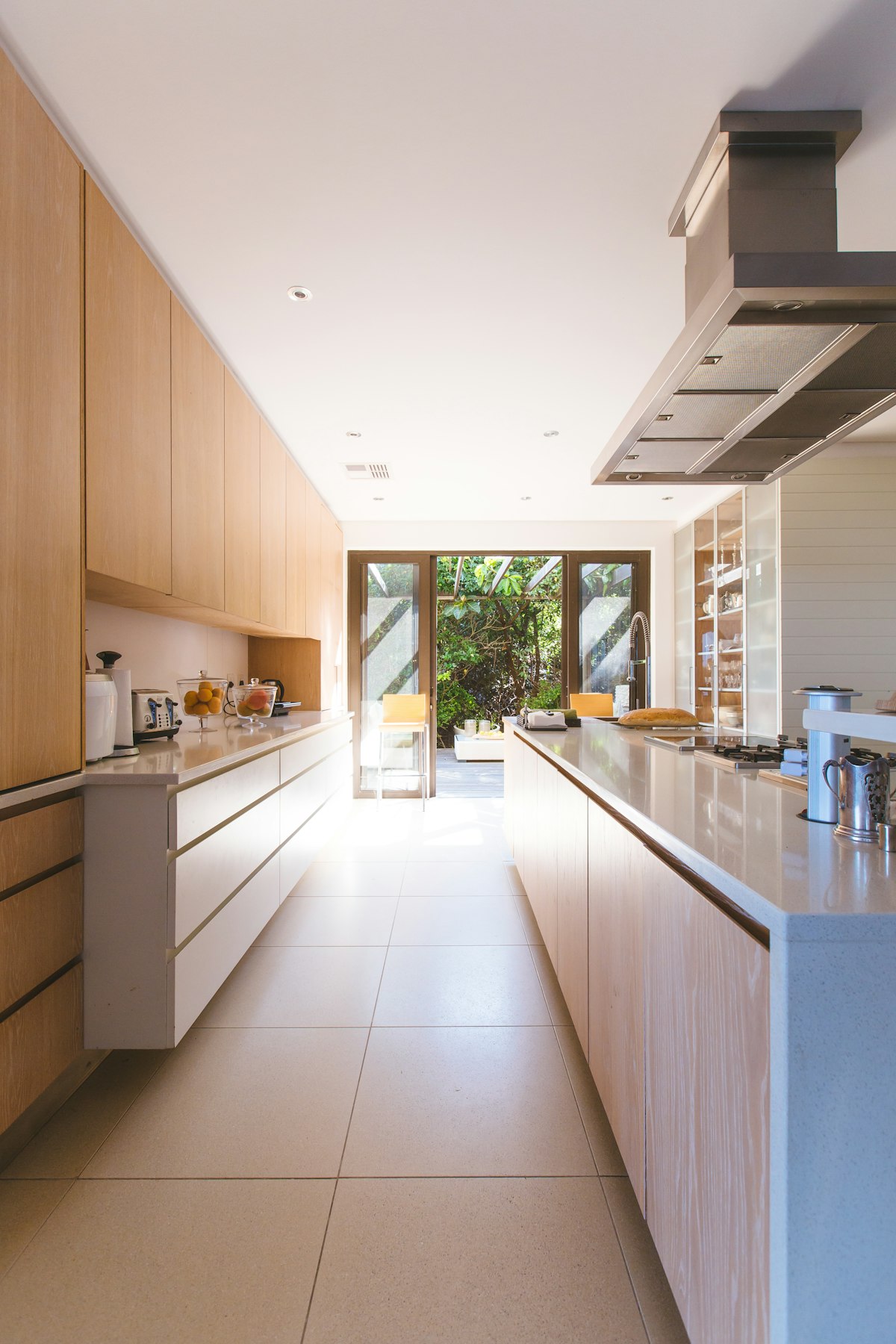
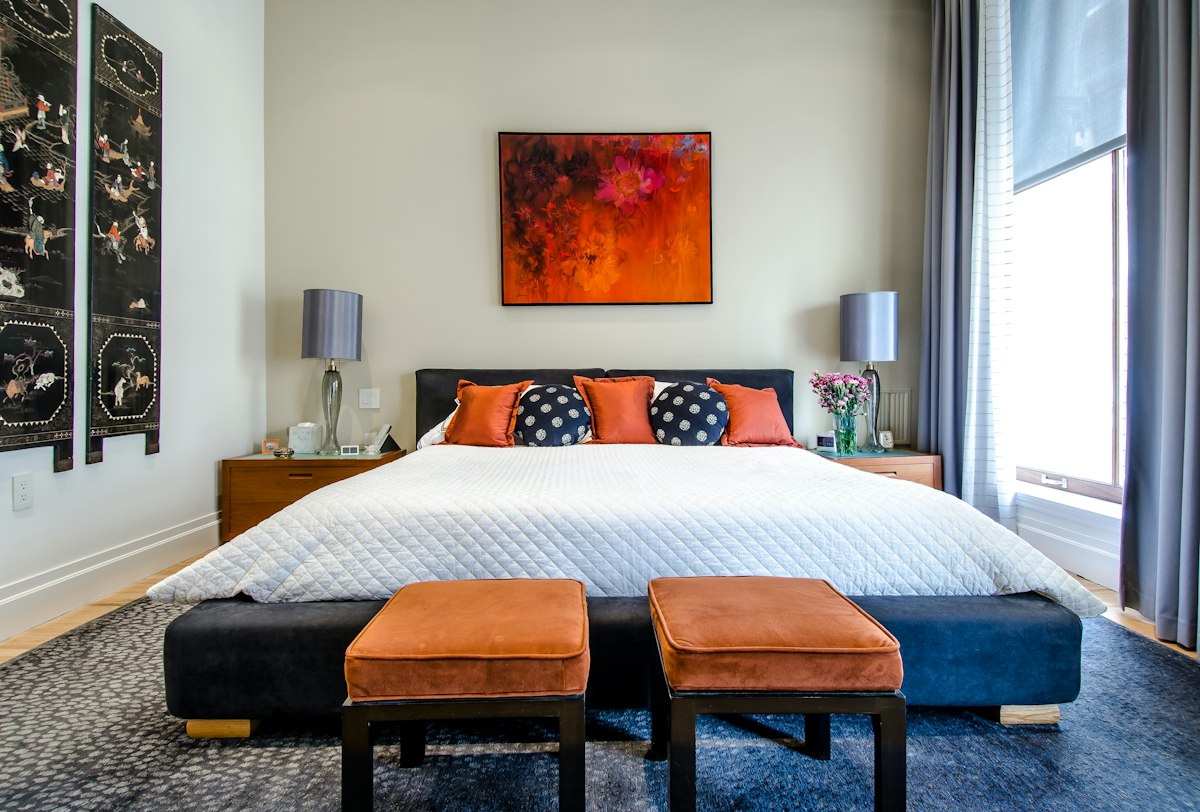
For the main living areas — great room, dining, hallways, home office — engineered hardwood delivers genuine wood character, strong resale value, and acceptable performance over slab when installed correctly. Invest here.
For the kitchen, laundry room, mudroom, secondary bathrooms, and any space where water, pets, or heavy traffic are daily realities — LVP or large-format porcelain tile is the smarter choice. LVP's waterproof performance in these zones prevents the moisture damage that hardwood in a kitchen can develop over years, and modern LVP wood-look products blend well with adjacent engineered hardwood when properly coordinated in grain color and tone.
For primary bathrooms — tile. Always. A properly waterproofed tile shower and floor with radiant heat if desired is the gold standard for bathroom remodeling in Plano and North Texas homes generally, and its longevity and water resistance are unmatched by any wood or vinyl product.
Final note: whatever flooring you choose, substrate prep is not optional. Every flooring failure we've investigated in DFW homes — cupped hardwood, cracked tile, LVP that moves and clicks — traces back to inadequate substrate preparation. A concrete slab must be moisture-tested, the floor must be flat to within 3/16" over 10 feet for most products, and acclimation requirements must be followed. These steps are non-negotiable in quality installation work. Request a free consultation to discuss your specific project.